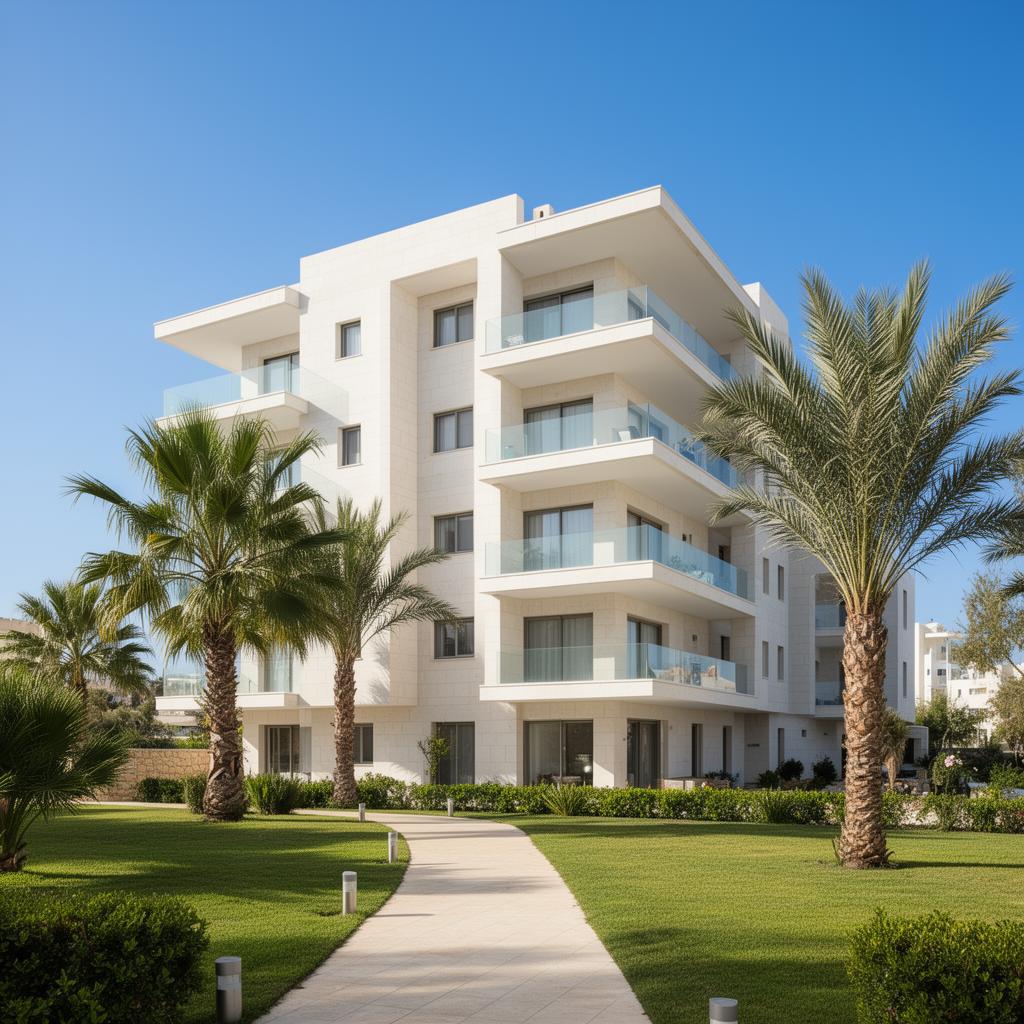

The acquisition of undeveloped land plots, often referred to as land banking, has long been a strategic endeavour for astute investors seeking to capitalise on future development prospects. In Cyprus, a nation renowned for its resilient property market and appealing lifestyle, understanding the nuances of zoning regulations and building coefficients is paramount. These legislative frameworks not only dictate the potential use of a parcel but also fundamentally shape its value and the scope for future returns.
The Allure of Cyprus Land Plots
Cyprus's strategic location, coupled with its robust legal system and EU membership, positions it as an attractive destination for real estate investment. Major cities such as Limassol, Paphos, and Larnaca continue to experience significant growth, driving demand for both residential and commercial properties. This sustained demand, often outstripping supply, naturally directs investor attention towards undeveloped land, particularly in areas primed for future expansion or reclassification. Savvy investors recognise that securing well-located Cyprus land plots today can yield substantial gains as urbanisation advances.
The potential for capital appreciation on carefully selected land parcels is considerable, especially in emerging hotspots like the periphery of Limassol or the developing areas near the new marina in Ayia Napa. These regions often benefit from ongoing infrastructure projects and government-backed initiatives designed to enhance their appeal. The long-term view, however, requires a meticulous examination of the underlying regulatory landscape governing each piece of land.
Decoding Zoning Cyprus: Categories and Implications
Zoning regulations in Cyprus categorise land into distinct zones, each with specific permitted uses and development parameters. These classifications are crucial as they determine whether a plot can be used for residential, commercial, industrial, agricultural, or protected purposes. For instance, a plot zoned for residential use might allow for low-density villas, while another in an urban centre could facilitate multi-storey apartment blocks or mixed-use developments.
The most common zones for potential development include residential (Ka), commercial (Eb), and tourist (Τa). Understanding the specific sub-categories within these zones, such as Ka6 or Eb4, is also vital as they impose further specific restrictions or allowances. Agricultural zones (Γα) and protected zones (Δα) typically have very low building coefficients, making them unsuitable for intensive development and primarily attractive for long-term speculative plays or specific niche uses like agrotourism, where permitted.
Building Coefficients: The Key to Development Potential
The building coefficient (or building density) is arguably the most critical metric for any land investor. Expressed as a percentage, it indicates the total buildable area on a plot relative to its size. For example, a plot of 1,000 square metres with a building coefficient of 90% allows for a total buildable area of 900 square metres. This figure directly impacts the scale and profitability of any future construction endeavour.
- Floor Area Ratio (FAR): This is the primary component determining the total square footage of construction allowed.
- Coverage Ratio: Dictates the maximum percentage of the plot that can be covered by buildings on the ground floor.
- Number of Floors: Specifies the maximum allowable height in storeys.
- Building Height: Sets the maximum permissible vertical height in metres.
"Thorough due diligence, extending beyond surface-level observations to scrutinise the granular details of planning regulations, is the cornerstone of successful land investment in Cyprus."
Navigating Pitfalls and Maximising Returns
A common mistake made by new investors is overlooking the 'town planning zone' designation before purchase. A seemingly attractive plot with a low per-square-metre price might have a low building coefficient, severely limiting its development potential and thus its true value. Conversely, a higher-priced plot in a prime area like central Nicosia or Limassol, with a generous building coefficient, may offer superior long-term returns despite a higher initial outlay.
Additionally, it is imperative to investigate any potential restrictions, such as right-of-ways, archaeological designations, proximity to protected natural areas, or infrastructure limitations that could impede development. Engaging a reputable local lawyer and a qualified town planning consultant is non-negotiable to ensure a comprehensive understanding of all pertinent factors. They can also advise on the potential for zone changes or permits for specific project types in the future.
Future Outlook for Land Banking in Cyprus
The trajectory for land plots in Cyprus remains positive, underpinned by steady economic growth, continued foreign investment, and the island's enduring appeal as a lifestyle and business destination. While specific 'hotspots' may emerge and evolve, the fundamental principles of careful analysis — particularly concerning zoning and building coefficients — remain constant. Investors who approach land acquisition with diligence and an informed perspective are best positioned to capitalise on the opportunities within this dynamic market.
The strategic selection of land in areas earmarked for future development, whether it be a residential plot near a new academic institution in Nicosia or a commercial parcel adjacent to an expanding port in Limassol, demands a forward-looking approach. By meticulously assessing current regulations and anticipating future urban planning trends, investors can secure assets with robust appreciation potential.