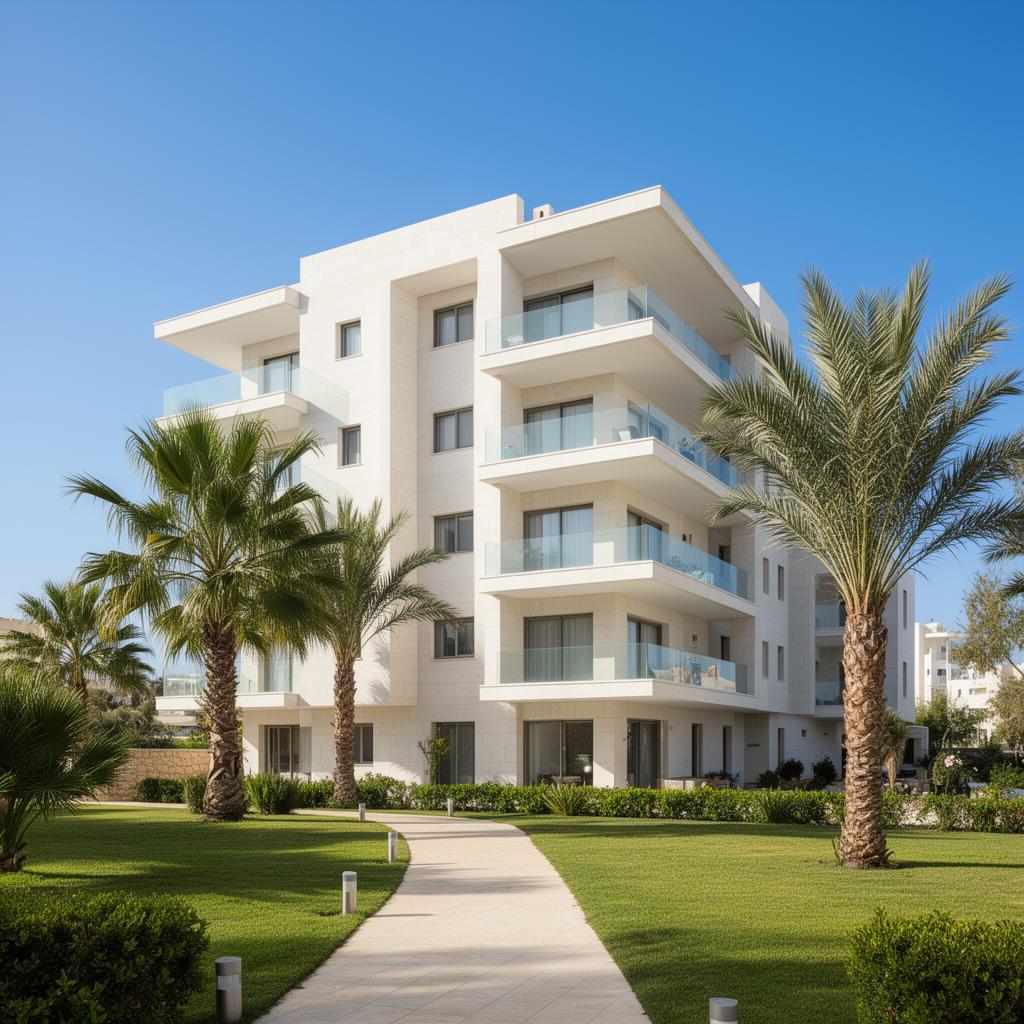

The acquisition of prime land plots in Cyprus represents a sophisticated investment strategy, often referred to as land banking. This approach hinges on securing undeveloped or underdeveloped land with the anticipation of future appreciation, typically driven by planned infrastructure, urban expansion, or a shift in zoning regulations. For the astute international investor, understanding the underlying regulatory framework — specifically zoning categories and building coefficients — is not merely advantageous, but absolutely imperative to mitigate risk and unlock true value.
The Fundamentals of Cypriot Land Classification
Cyprus employs a comprehensive system for classifying land, which dictates its permissible use and development potential. These classifications range from residential and commercial to agricultural and protected zones, each with distinct implications for a prospective developer. For instance, a plot zoned for residential use in a burgeoning area like Limassol or Paphos will naturally hold different intrinsic value and development parameters compared to agricultural land in a more remote region.
The overarching Town Planning Schemes, periodically revised by the Department of Town Planning and Housing, are the primary instruments governing these classifications. These schemes outline the long-term vision for urban and rural development across the island, influencing everything from road networks to the permissible height of buildings. Consequently, a deep dive into these plans is essential before any acquisition.
Deciphering Building Coefficients and Density
At the heart of land development potential lies the building coefficient, also known as the building density or coverage coefficient. This critical metric determines the maximum percentage of a plot's area that can be covered by buildings and the total developable square footage. A higher building coefficient generally indicates greater development potential, directly impacting a plot's commercial viability.
For example, a plot in a desirable Limassol neighbourhood might have a building coefficient of 1.0:1, meaning that for every square metre of land, one square metre of covered area can be built. In contrast, a plot on the outskirts of Larnaca or Nicosia, zoned for lower density residential use, might have a coefficient of 0.6:1 or less. Understanding the interplay between these coefficients and the specific zoning category is paramount for financial modelling and project feasibility.
Key Considerations Before Acquiring Cyprus Land Plots
Due diligence for land banking in Cyprus extends beyond simply reviewing current zoning and coefficients. Astute investors must consider a multitude of factors that can either enhance or diminish the value and feasibility of their investment. Engaging experienced local legal and planning consultants is not merely advisable, but essential to navigate these complexities effectively.
- Reviewing the official Town Planning Zones Plan for the specific area and plot, verifying the current and any potential future zoning designations.
- Obtaining detailed information on the building coefficient, coverage coefficient, maximum number of floors, and maximum height restrictions applicable to the plot.
- Investigating whether the plot falls within any protected areas, such as Natura 2000 sites, archaeological zones, or environmentally sensitive regions, particularly around coastal areas or pristine landscapes near Paphos or Ayia Napa.
- Assessing the availability and proximity of essential infrastructure, including road access, water, electricity, and sewerage networks. The absence of these can significantly increase development costs and timelines.
- Understanding any encumbrances, easements, or public rights of way affecting the plot, which could restrict development or access.
- Researching local development plans and proposals, as these can signal future changes in zoning or infrastructure that could impact the land's value.
"The true value of a land plot in Cyprus is not solely in its size or location, but in its legally permissible development potential, meticulously defined by its zoning and building coefficients."
Navigating Potential Pitfalls and Maximising Opportunity
While the allure of acquiring undervalued land plots in Cyprus is strong, certain pitfalls must be meticulously avoided. Purchasing land without a clear understanding of its zoning can lead to significant disappointment, as expectations for a grand residential development might be thwarted by a restrictive agricultural designation. Similarly, plots lacking basic infrastructure, even if zoned favourably, will incur substantial additional costs for utility connections.
For the discerning investor, opportunities often arise from anticipating future changes in zoning, particularly in areas slated for significant governmental or private investment. This might include land adjacent to planned marina developments, new educational institutions, or emerging tourism hubs. Identifying these 'hot zones' requires careful market intelligence and an understanding of the broader economic and development trajectory of Cyprus, from the bustling urban centres of Nicosia to the tranquil coastal stretches.
A Concluding Perspective on Land Banking
Land banking in Cyprus remains a compelling strategy for high-net-worth individuals seeking long-term capital appreciation and significant development potential. However, its success hinges on a robust understanding of the island's intricate planning regulations, specifically zoning categories and building coefficients. By meticulously undertaking due diligence and engaging with seasoned local experts, investors can navigate the complexities and position themselves to capitalise on the enduring appeal of Cypriot real estate.
The strategic acquisition of well-researched land plots offers not only the promise of substantial returns but also the unique opportunity to shape the future landscape of this Mediterranean jewel. It is an endeavour that rewards foresight, precision, and an unwavering commitment to understanding the regulatory canvas upon which future value will be built.