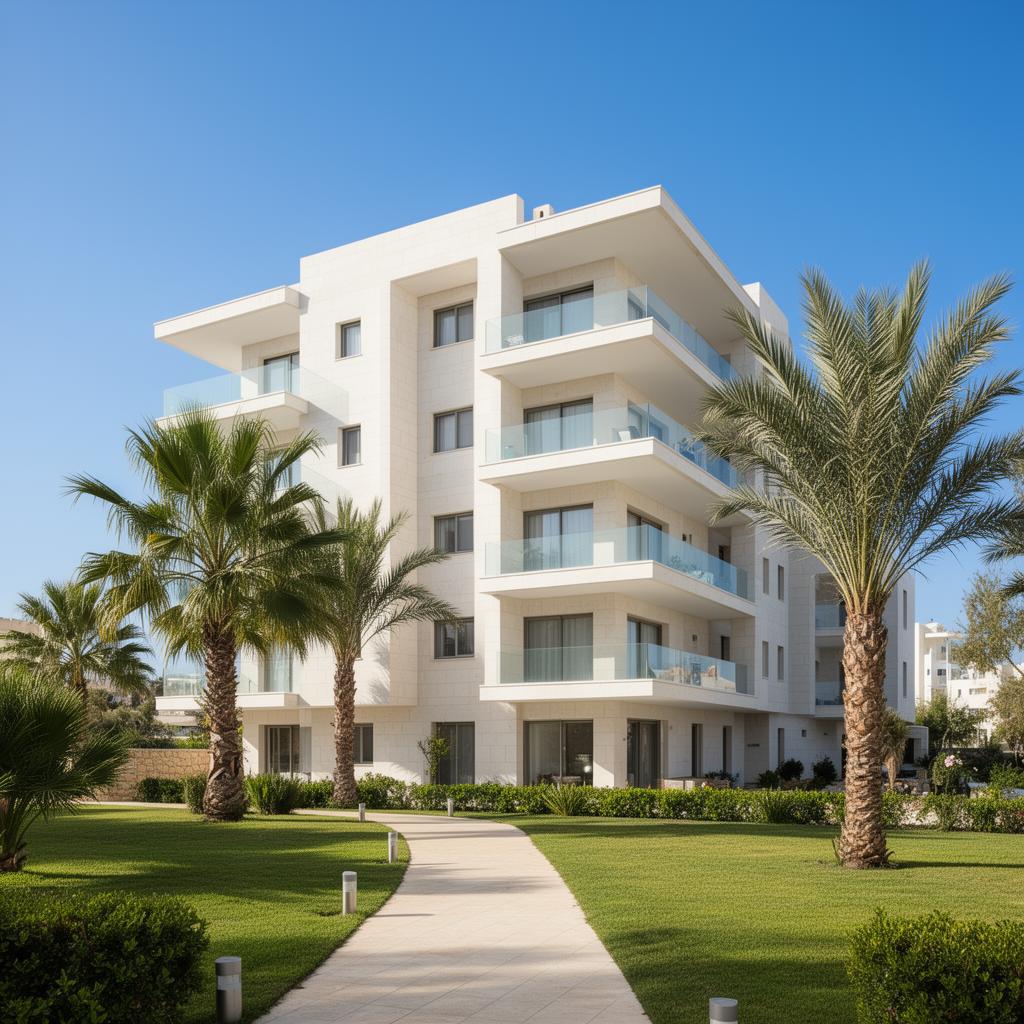

The acquisition of undeveloped land, or 'land banking', represents a sophisticated facet of property investment. In Cyprus, this strategy holds considerable allure, offering potential for capital appreciation through strategic development or resale. However, the intricacies of land banking demand a rigorous understanding of local regulations, particularly concerning zoning and building coefficients, which fundamentally dictate a plot's development potential and, by extension, its value.
Decoding Land Zoning in Cyprus
Land zoning classifications across Cyprus delineate permissible land uses, ranging from residential and commercial to industrial, agricultural, and protected natural areas. These classifications, meticulously detailed in each district's Spatial Development Plans, safeguard urban planning objectives and environmental conservation. For instance, a plot zoned for residential development in Limassol will have inherently different regulations than an agricultural parcel in the Paphos countryside, impacting density, building height, and infrastructure requirements.
Understanding these designations is paramount. Misinterpreting a zoning classification can render a development proposal unfeasible or significantly reduce the projected return on investment. Prospective buyers of Cyprus land plots must engage with professionals who can accurately interpret these plans, ensuring their acquisition aligns precisely with their strategic objectives.
Understanding Building Coefficients
Beyond zoning, building coefficients are numerical multipliers that determine the maximum permissible building area and coverage on a given plot. These include the Building Density Coefficient (BDC), which dictates the total square metres of construction relative to the plot size, and the Coverage Coefficient (CC), which limits the footprint a building can occupy on the land. Height restrictions, typically specified in metres or number of floors, also play a crucial role.
A plot in a prime area of Nicosia or a coastal stretch near Ayia Napa might boast a high BDC, allowing for substantial development, while a rural plot will exhibit considerably lower coefficients. These metrics are not static; they are periodically reviewed and can sometimes be subject to amendments, particularly in areas earmarked for governmental regeneration or new infrastructure projects. Such changes can significantly uplift a plot's value, or conversely, introduce new limitations.
Practical Considerations for Investors
- Due Diligence: Thoroughly investigate zoning and building coefficients before making any commitment. This includes examining current and proposed development plans for the area.
- Professional Advice: Engage reputable local town planners, architects, and legal counsel. Their expertise is invaluable in navigating the complexities of Cypriot property law and planning regulations.
- Infrastructure Access: Assess the availability and proximity of essential utilities such as water, electricity, and sewerage, as well as road access. The cost of bringing services to a remote plot can be substantial.
- Environmental Factors: Be aware of environmental designations, such as Natura 2000 sites, which can impose strict development limitations.
- Contingency Planning: Factor in potential delays or unforeseen costs associated with obtaining permits or adapting to regulatory changes.
"The true value of a land parcel in Cyprus is not merely its size or location, but precisely what can be built upon it, according to the letter of the law."
What to Avoid When Investing in Cyprus Land Plots
Investors should exercise caution regarding plots marketed with vague or unsubstantiated development potential. Overlooking the need for a comprehensive assessment of planning permits and regulations is a common pitfall. Furthermore, acquiring land near proposed, but not yet approved, major infrastructure projects carries inherent risk; such projects can be delayed or cancelled, impacting the anticipated value appreciation.
It is also prudent to avoid plots encumbered by unresolved legal disputes or existing mortgages without clear resolution plans. Transparency and comprehensive due diligence are not optional but essential safeguards in the Cypriot land market, particularly for high-value transactions involving international buyers.
Outlook for Land Banking in Cyprus
Cyprus continues to be an attractive jurisdiction for strategic land acquisition, driven by ongoing urbanisation, a robust tourism sector, and a steady influx of high-net-worth individuals. Regions such as Limassol and Larnaca, with their burgeoning urban centres and coastal appeal, present distinct opportunities. Nicosia, as the capital, offers investment potential in administrative and residential sectors, while Paphos and Ayia Napa continue to draw interest for leisure and hospitality developments.
For the discerning investor, a deep engagement with the nuances of zoning and building coefficients will prove to be the cornerstone of a successful land banking strategy in Cyprus. This meticulous approach transforms potential risks into calculated opportunities, securing the long-term value of these tangible assets.